

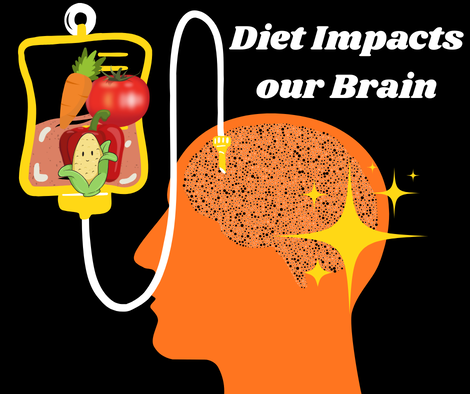
Fueling Your Supercomputer: How Your Diet Impacts Your Brain
Have you ever felt sleepy after lunch or surprisingly energetic late at night? Those shifts aren’t random—they’re often your brain reacting to what you eat. Even though the brain is far more complex than just a list of nutrients, its performance, mood, and energy levels are deeply influenced by your daily diet.
If you were to break down the nutritional makeup of your dehydrated brain, most of it would be fats (lipids), with the rest made up of proteins, amino acids, glucose, and tiny amounts of micronutrients. To keep this powerful organ performing at its best, we need to supply it with the right ingredients.
1. The Brain’s Building Blocks: Fats & Proteins
Healthy Fats — The Brain’s Protection Squad
Your brain loves healthy fats—especially omega-3 and omega-6 fatty acids. Since our bodies can’t make them, we rely on foods like fish, nuts, and seeds to get them. These fats help build and maintain cell membranes and may even protect the brain from age-related decline.
But beware—not all fats are helpful. Trans fats and too many saturated fats can harm brain health over time.
Proteins & Amino Acids — Mood and Energy Stabilizers
Proteins don’t just build muscle—they also influence how you feel. Amino acids found in protein-rich foods help produce neurotransmitters like:
- Dopamine (motivation, pleasure)
- Serotonin (mood, calmness)
- Norepinephrine (alertness)
That’s why a bowl of pasta may make you feel relaxed, while a protein-rich breakfast can make you feel sharp and awake.
2. The Brain’s Fuel: Glucose
Despite making up only 2% of your body weight, your brain uses around 20% of your daily energy—mostly in the form of glucose, which comes from carbohydrates.
But the type of carbs matters:
Fast Carbs (High Glycemic Foods)
Foods like white bread or sugary snacks cause your glucose to spike quickly—and then crash. That “crash” affects your mood, attention span, and focus.
Slow Carbs (Low Glycemic Foods)
Foods like oats, brown rice, legumes, and whole grains release glucose slowly. This steady supply keeps your brain focused for longer periods.
3. Micronutrients: Small but Mighty
Micronutrients are like the tiny screws holding a machine together—small, but essential.
- Antioxidants (found in colorful fruits & vegetables) protect brain cells from damage.
- B vitamins (B6, B12, folic acid) support memory and prevent cognitive decline.
- Minerals like iron, zinc, copper, and sodium play important roles in mood, energy, and brain development.
A diet rich in whole foods ensures your brain gets everything it needs to function long-term.
The Bottom Line
Think of your brain as a high-performance engine. You wouldn’t put cheap fuel into a luxury car—so don’t fuel your brain with low-quality food. Choosing the right combination of:
- Healthy fats
- High-quality proteins
- Slow-releasing carbohydrates
- Micronutrient-rich foods
…helps you stay focused, improves your mood, boosts memory, and protects your mental health for years.
Your daily food choices aren’t just feeding your stomach—they’re powering your supercomputer.